content warnings
This reflection mentions past sexual assault and dating violence. As always, please take care while reading.
[1391 words]
A Fourth of July reflection on friendship, memory, and what stays with us.
The northern suburbs whiz by as I gaze out the passenger side window of Matt’s four-door–what I can only call a pregnant rollerskate in a hurry to give birth… No offense to the car or driver, but we’re cruising down the highway to a backyard BBQ for the Fourth of July at our friend Tina’s home. I haven’t been in touch with the faces I’m about to see for the past nine years, and in some cases, twenty. I’m excited, but secretly wishing I still drank to ease the tense breath I’m holding in as I prepare to meet old friends, new again.
Matt was the first one to visit me at home when I got out of rehab in 2016. I was seated on my overstuffed gray couch cushion; my couch, my bed for over a year while I was too scared to sleep in my bedroom in case I needed help and the baby monitor wouldn’t pick up my voice in my mom’s bedroom when I rasped: “I need water. Help to the bathroom. Pain medication” when I was unable to open the bottle on my own. The couch became my bed, my dining table, my visiting area, and the place I lay to stare at the ceiling as the oxygen cannulas in my nose eased the burden of breathing.
It sounds strange to say it’s tiring to breathe. But it was. My superstitious side used to keep that to myself, lest God step in and say, alrighty then, let me take care of that for you.
I think of this as I look out the window, heading deep into the burbs where our high school group has gathered to swim, eat, watch fireworks, and to be honest, I’m not sure what else because I’ve been gone from this part of my life for so long. Flashes of nights at Bakers Square, where the wait staff let us sit for hours, eating mozzarella sticks, chicken tenders, and laughing over smokes we somehow managed to get our hands on during senior year. Still, we were good tippers and polite teens who went through lots of ketchup, or I went through lots of ketchup while Tina introduced the group to Euchre (I never got into cards, but as the new generations say: the tea was fantastic.
Who was auditioning for the next Little Theatre show? Who would be the regional entry for the IHSA Speech Team in Original Comedy? The drama behind rehearsals for student-directed shows, who had a crush on who, and how would we wipe the last game of Spin the Bottle from our lips, while most importantly contemplating whose family would be going out of town, so we knew how to plan the next party accordingly giving us time to secure the booze. I was never great at buying it, but sure knew how to guzzle it down. I’m laughing, remembering the Dawson’s Creek drama of it all. For the record, I was never Team Dawson or Team Pacey; either one was just fine with me.
I look out the window. A now vacant lot where Bakers Square once sat floats by Matt’s window, with echoes of teen drama laid to rest. The sky is bright blue, unlike the white hot flashes of lightning in the black sky from the night before, where I stood outside the bar after a first date. Online dating–somewhat new to me, being out of things for a while, while learning how to do life again as a disabled man feels tricky. In my twenties and thirties, I went to a bar and if I liked someone, we exchanged numbers, not handles or “likes.” I press my palm against my chest, which still holds the violent shove I took the night before. I close my eyes and shake my head to rid myself of the moment. Suddenly, I’m 21 again, long past my Spin-the-Bottle days where every kiss was a safe one, albeit, sometimes the sensory memory makes me shake my head and shiver with a laugh, but I’d lost touch with those old high school friends, yet needed them most at 21 and again at 44.
“Do you want to tell me about it?” Matt asks. Other than a former therapist, he is the only friend who knows about the violent rape when I was 21 and is the only one I feel safe telling about my 44 year old dating assault.
The two-minute memory erupts from my mouth like the reversed forced air my CPAP machine filled me with before I told my neurologist: No more. I feel like I’m suffocating.
“I was apparently standing too close, and he shoved me. I was just standing there talking. He just reached out, and it really hurt. I don’t know why he did that to me. I’ve never been shoved like that except for…”
Matt is stoically silent and simply asks, “Are you okay?”
I nod yes. I was just standing there talking while the lightning broke upon my sky.
“I told the guy I don’t allow people to touch me like that.” And then I stumbled away, going through a different gangway than usual so that he wouldn’t find me. I learned that trick in college, and it’s a memory for another day, another book, another moment. There’s no need to expound upon it today. Still, I didn’t fall. I didn’t falter. I stood up for myself now that I have a voice. A stronger voice through years that spanned innocent mozzarella stick nights, Spin-the-Bottle kisses, and one violent, quiet evening when I was 21.
Some friendships are built on quiet understanding and pick up years after they left off. My body is a lot different now. My life is different, not just from age and experience, but illness, and Matt won’t treat me with kid gloves, but knows when I need that extra tenderness, and he shows up. Today, he showed up in his pregnant rollerskate, but I’ve never been so happy to see him in my life. He taught me not to hog the ketchup, how to tip, and reminded me that like back in the day, this was not my fault. Getting sick was not my fault.
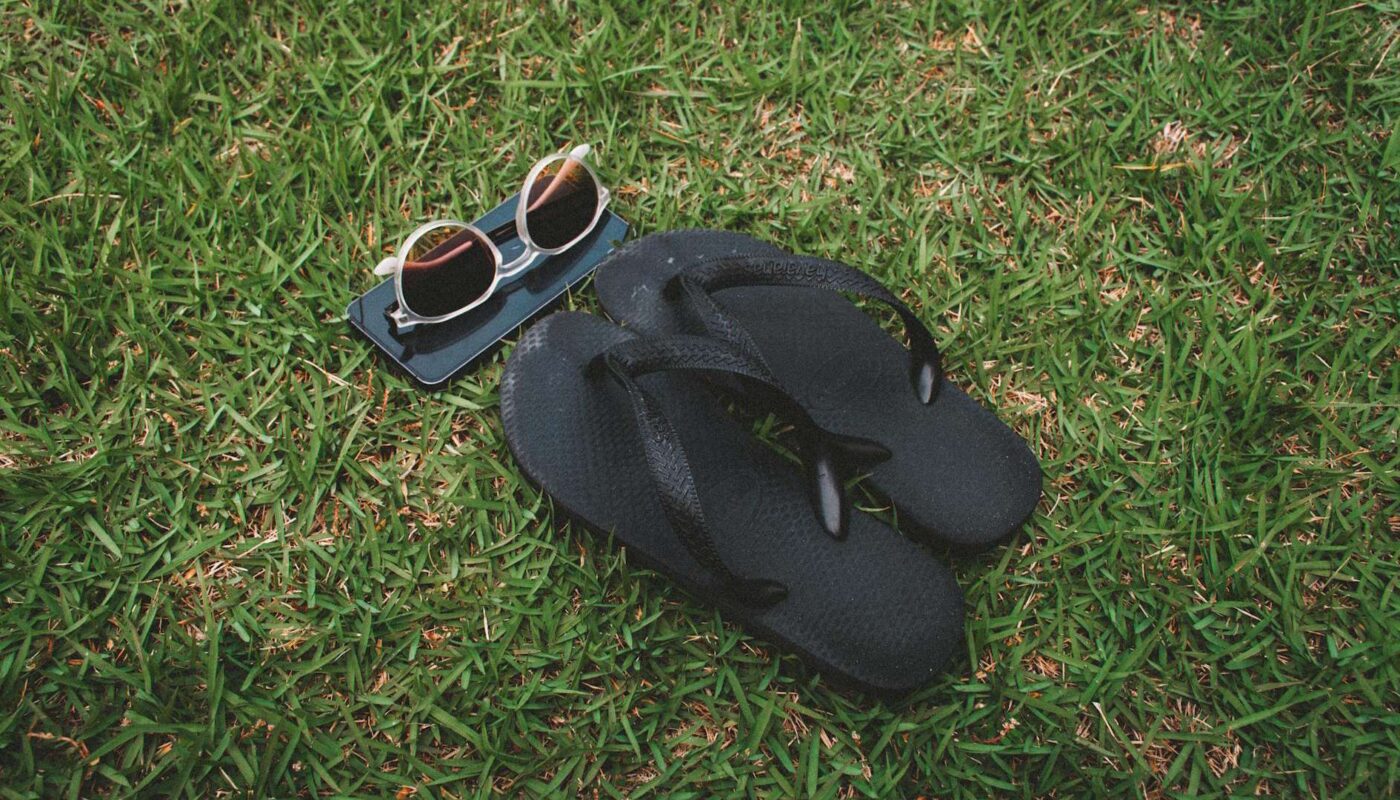
We pull up to the house, and Matt tells me he’s kept my coming with him a secret. I’m more than a little nervous as we step onto the grass in the backyard. I stupidly wore flip-flops even though my legs have no idea what’s going on from the knees down today. I do know they are shaking, but not from illness.
This is Tina’s home, and she jumps up and runs across the yard, “Jonny Sauce!” The last time I saw her in person, I was in a hospital bed, a wheelchair by my side,, functioning on Dilaudid. You grow apart from friends, and circumstances prevent you from crossing lawns to meet them, but they’re in your heart, and you receive the occasional Facebook message, and if you’re lucky, you’ll be in their embrace again someday.
“You’re doing good right now? You look like you’re doing good right now,” she says as she releases our hug.
I nod yes because if I say anything, the dam might break, and today is not a day for rain, lightning, or illness, and the shove across the sidewalk from the night before has no place here. With Tina’s hug and the group of familiar faces that begins trickling in through the day, I remember what I’d forgotten: community is never far away. Community isn’t always about a train ride to another city, a plane ride across the Atlantic to teach English, or even about joining the newest Meetup group on Facebook. Community is not about visiting the vacant Bakers Square lot, but revisiting the laughter and tears that happened over ketchup and mozzarella sticks, and reaching out to the people who made you laugh, and comforted you when you cried. The people who knew you when you were someone else and love both the former and the new versions of you. There are no mozzarella sticks today, but there is nacho cheese, guacamole, and a whole lot of laughter. Today, I remember that even through the ugly times, there is goodness. After the lightning comes a whisper of hope if you let it in.
Jonathan Michael Saucedo is a Chicago-based writer, performer, and educator whose work explores chronic illness, disability, and LGBTQ+ love. He holds an MFA in Writing from Lindenwood University and a BA in Theater and Secondary Education from Loyola University Chicago. His storytelling spans essays, stage work, and multimedia projects, including his prose poetry chapbook A Silent Love Letter and the visual podcast Unfolding Hope, a companion to his blog All Good Things. Through lyrical, reflective work, Jonathan creates space for connection, resilience, and hope—especially for those navigating identity, illness, and the desire to be seen