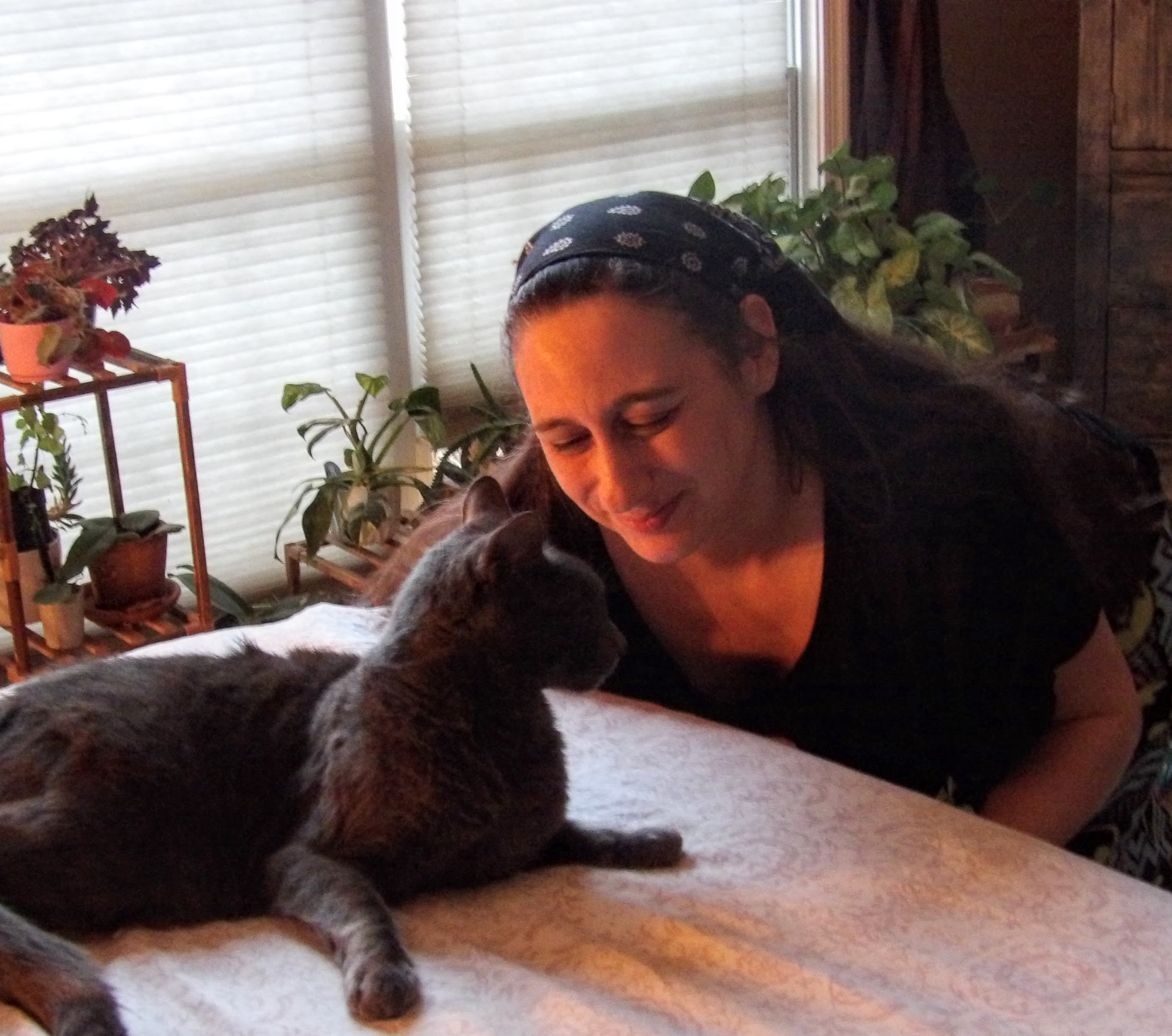
I’ve been writing posts to celebrate The Metaworker’s ten-year anniversary and singing the praises of the amazing staff who have kept the magazine going. I’ve thought about how each editor contributes using a body as a metaphor. Elena and her warmth being the caring center and heartbeat and Cerid with her creativity being the spirit and the breath. And now I must turn that same metaphor onto myself and figure out my role. I have asked myself similar questions as the other two editors, but I can’t, and won’t, write this post in a similar format. I find talking about myself in the third person strange enough for a writer’s bio, and those are at most a paragraph. If you’ll indulge me, I’ll tell you the story of my experience with The Metaworker and maybe give you some of my own ideas around writing, editing, and creativity along the way.
Only so many parts of the body make sense to use as an organization’s framework, so it falls to me to be the bones. Yet, even though it is one of the few remaining available parts to claim, this suits me. I’m the one most likely to speak up in a meeting about pet peeves or the quality of writing. I have studied the rules of writing long and hard, so I can’t help but see when something isn’t working and why. I view the foundations of writing to be as important as all the other elements that go into a successful piece. The “bones” keep it upright and give it form. The rib cage protects the heart from damage and holds the lungs in place and flexes so the lungs can expand. Bones represent more to me than rigid structure, they are protection and offer a framework that allows a body to move and function. I don’t see myself as the grand architecture of the magazine, but rather the person trying to maintain that protective framework so the heart and lungs can do their work safely.
I’ve been told to be as kind to myself in writing this as I have been with the other editors. I’ve been given the advice to be my own cheerleader because sometimes we have to be our own biggest fan when the world is so ready to tear us down. Confidence means being willing to admit when you’re good at something, so I should remove myself from the equation and speak as though I’m writing a bio or about someone else. All good advice and much love to those who offered it to me.
This advice was offered because I have procrastinated writing this profile of myself to the point of messing up my schedule for posts. When I press against the reason why, I find that the answer is simple enough and perhaps this explains why I am bone and not some surface attribute like skin or hair. I don’t particularly feel the need to shout my own praise or be recognized beyond the quiet and personal thanks I get from writers who I’ve helped in some way. Their success or continuing their journey as a writer is enough because we are on the same path.
Dear Me,
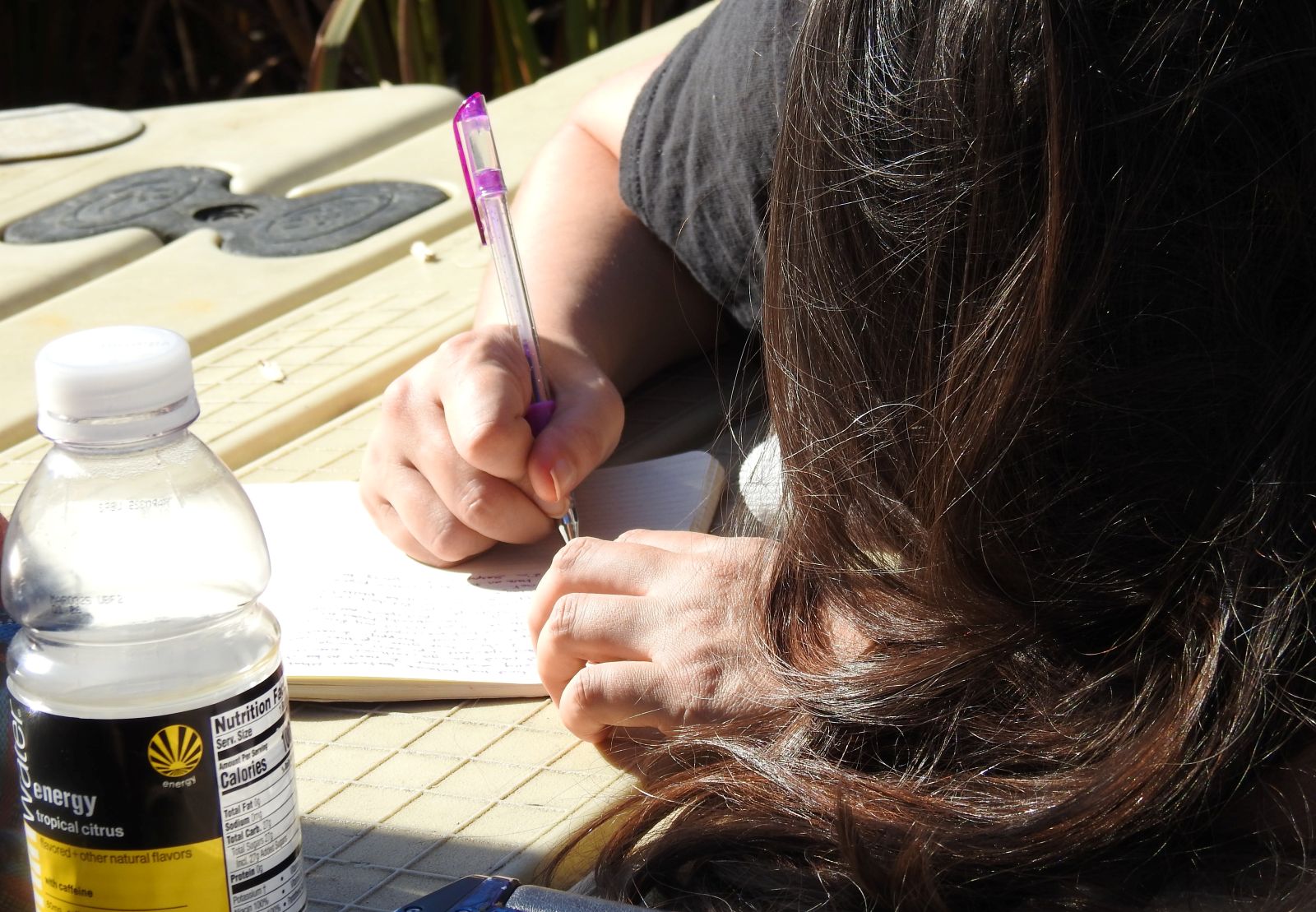
I came to writing as a huge fan, reading anywhere between 2-5 novels a week, and treated my own work as nothing more than a hobby. My mom encouraged me to start keeping a diary when I was in the third grade (which I still have.) I’d start each entry with “Dear Me” and end with “Love, Me.” Writing, for most of my life, was not something to be shared, and I never believed that anyone would want to read anything I wrote. I was a writer who never once considered it a career, so instead I went to Nursing school, promptly figured out that bones gross me out (oh, the irony!), got married, and started my family.
While I was out of college, I tried out an online critique site, Fanstory.com, and found that yes, people do read what I write. I also found a mentor, Edward Baldwin, who taught me that writing isn’t a talent that you either have or don’t. It’s a skill that can be learned, and as he so often told me, “Never stop learning.” He gave me a massive reading list that I devoured. From there, I became a slush reader for Everyday Fiction and worked my way up to being an editor. Somewhere in the midst of all that, I realized that if I’m willing to work for free, I should make a career of it. I returned to WVU as an adult with four young kids to get my English degree.
This is when I found The Metaworker. I wrote a submission tailored to their wish list and they accepted “Tree Song.” Marina, a former editor and the communications leader, was responsive and kind—something I’d not experienced with other magazines up to that point. When I needed to do an internship for my senior project, I reached out to her and asked if I could work with them. I was the first person to ask, so the team was a little bit surprised. Marina and Elena arranged an interview with me (and I was nervous!), but obviously, they accepted me. I didn’t expect to stay after the internship ended, but I was beyond thrilled when the team asked me to become an editor with them.
I was wild and full of ideas and passion when I first started. Many of the changes at The Metaworker are my fault. Before, the team used Slack, Skype, and email. I suggested using Discord to streamline our meetings and mode of communicating behind the scenes, and here’s the surprise… they went for it, and I was only an intern at the time. The podcast was another crazy idea of mine that I suggested so I could have more work to feature in my senior portfolio. As we grew, managing email submissions became difficult, so I presented my experience with submission managing sites from Everyday Fiction, and again, the team was open to the idea and now we have Duotrope. In large part, I view my time with The Metaworker as the reason I went to grad school for a Masters in Professional Writing and Editing. The department head saw my senior project, which featured everything I had done with the magazine, and asked me to apply.
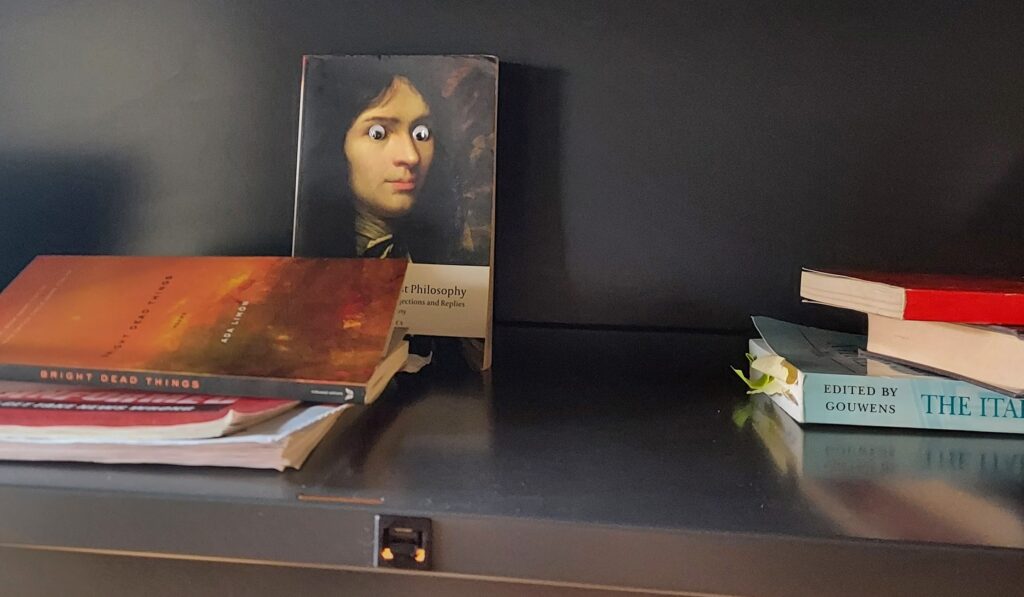
And then there’s my personal side project– the Writing Sprint. I host a writers group Wednesday evenings, because I needed to carve time out for my writing while I was in Grad school. The team didn’t shoot me down, instead saying, “If you have the time to lead it, then go for it.” The Metaworker team was open to ideas and willing to implement them, regardless of the rank of the person suggesting it. This continues within the magazine today.
Belonging
This is a long-winded way to say that because of my degrees and all the rules and tips and tricks I’ve learned over the years, some folks might view me as a rule focused gal or grammar nazi. Me, the rigid, bony, structured one who is more likely to say no to a piece because the prose isn’t up to a certain standard.
The truth is, I don’t easily fit in places. In college, I was the same age (or older) than many of my professors. My peers in class were still figuring out their lives while I was an established mom. In writing, I am behind. I have short stories and poems published, but I am not a published novelist yet (I hope to change that soon!). I don’t have the type of working experience the Big Five want from their editors. Then came Matthew (former editor-in-chief) and Elena and Cerid. I’d found my people and a place where I could hang my writer and editor cap.
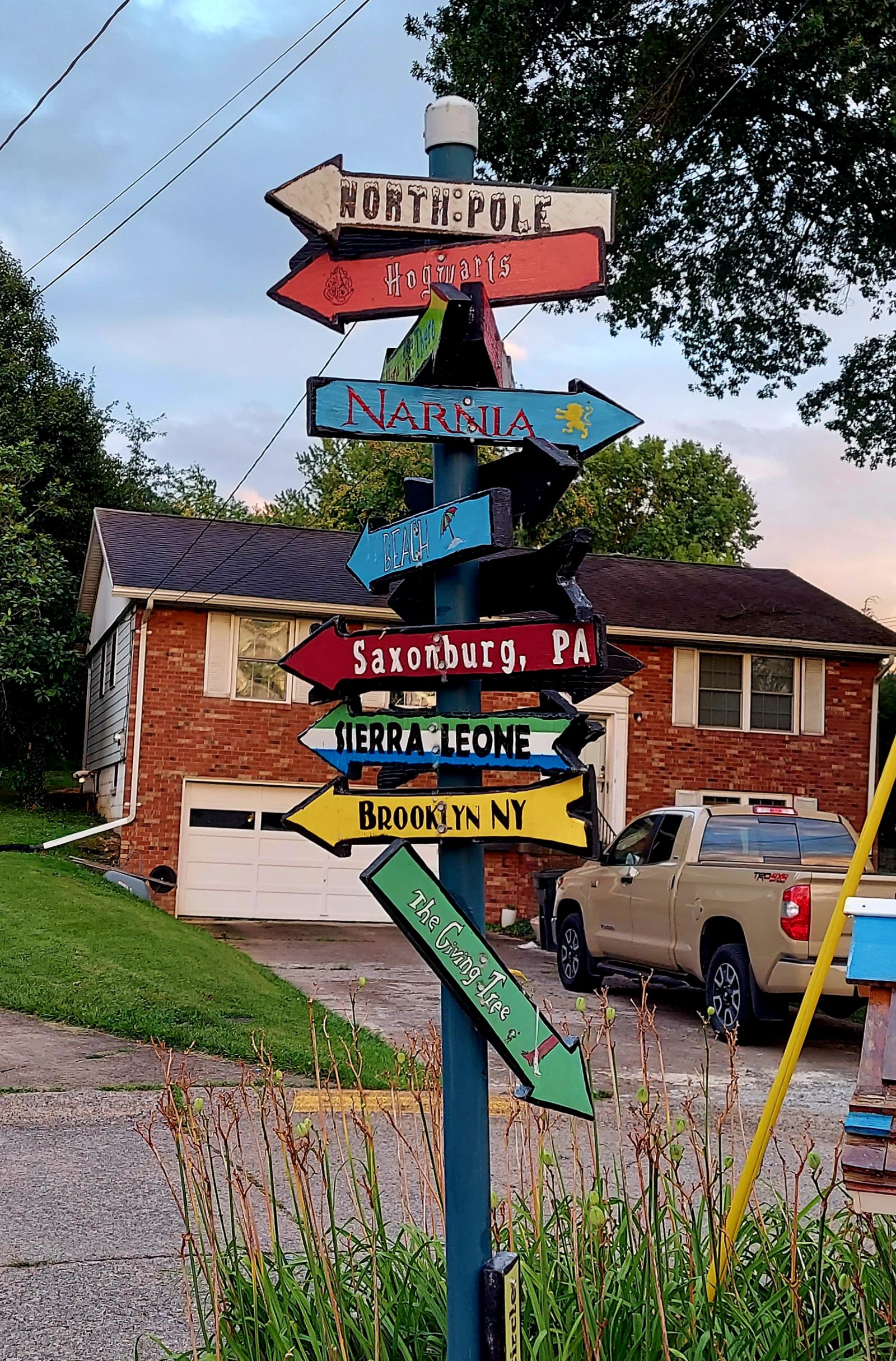
Elena and Cerid showed me that sometimes rules should be broken in the service of art while Grad school beat me over the head, forcing me to see that rules are important, but my interpretation is not always correct. As I reflect on my stance, I come back to why I fell in love with learning structure and rules. Some might think it’s because there is a right way to write something and that I’m obsessed with perfection. While I might have a perfectionism problem, it’s because rules can help someone like me. Rules gave my voice a chance to expand and grow into one that others might pause to read, told me I could learn to write, and that becoming an author wasn’t a hopeless endeavor. Rules aren’t stop signs for me. They are a way to help me craft something wonderful. They were guideposts telling me I belonged.
I’ll be the first to admit that a strange paradox exists in loving the rules so much. If you look at my creative process, you’ll find a bit of a split personality—a dynamic any tabletop gamer might recognize. As an editor, I am a Cleric of War, capable of both defense and healing the structure of a piece. But for my own writing process, I am a wild magic sorcerer. Sometimes I sit down and the words flow from me, and I can’t explain how or why, much like a wild magic surge. When I need to sit and write, I can’t simply command it to be done. It takes time for the surge to rise, which explains why I often struggle to produce work with a deadline looming. Oftentimes, the magic doesn’t hit me until the night before my deadline or randomly when I have other goals. Do I wish I was a wizard with the strict habits of learning at my command? Yes. I’ve been attempting to multiclass for years, but it seems there is still a bit of wildness in me that I can’t quite tame.
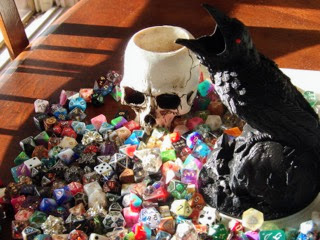
In reality, my creative process is always shifting. Sometimes a song and coffee is enough. Other times it requires a writing sprint with other writers expecting me to show up. The idea can come from a dream, a line I’ve heard someone say in a TV show, or a particularly beautiful view of the mountains when I’m doing a ‘drive about’ with my kids. Every time I sit down to write, it feels like a roll of the dice with an uncertain outcome. Will the words flow with a natural 20? Or will I be scowling and editing my work from last week with a 1 on the dice?
The only way I’ve found advantage for any writing session is to sit down with the intention of being genuine. Honest writing that scares me to share is usually my best work. I suppose that writing without risk is like playing a game without the chance of losing.
Bones and Structure
As an editor, I look for barriers to reader engagement because for me, writing is less about perfection and more about connection. A barrier can mean something as simple as presenting a longer work in a single paragraph that looks like a wall of text or using a font that makes reading difficult. Other barriers include; incorrect syntax, major grammar issues that hinder understanding and meaning making, and too much technical jargon or overuse of strange names (in fantasy). After that, I look at finer elements such as overuse of filter words, sentence structure, and word choice.
This narrow view of a story is great for a copy editor, but it can also mean that I have to make an effort to widen my view to look at what the story is about and what it is trying to say. This is why I love working with Elena and Cerid and discussing pieces with them. They are a constant reminder for me to raise my eyes from the placement of a comma or a period to see the big, beautiful colors of the story.
As a writer, I am incredibly hard on myself. The lens that I apply to other people’s writing becomes a magnifying glass when I use it on my own. I give other writers grace that I often do not give to myself. My reasoning is sound. If I am going to point out issues or expect a certain level of quality, then my own writing should deliver on those same ideas. I write, rewrite, trash, rewrite, and then pick endlessly at chapters and scenes. Sometimes I wish for the times when I didn’t know anything and blindly stumbled along. Yet I am also grateful to know the things I do, because I have a framework and structure that allows me to move forward. I spent a decent amount of time frozen, not knowing what came next in a story because I didn’t know the right questions to ask or have the tools to break down the wall blocking the path forward.
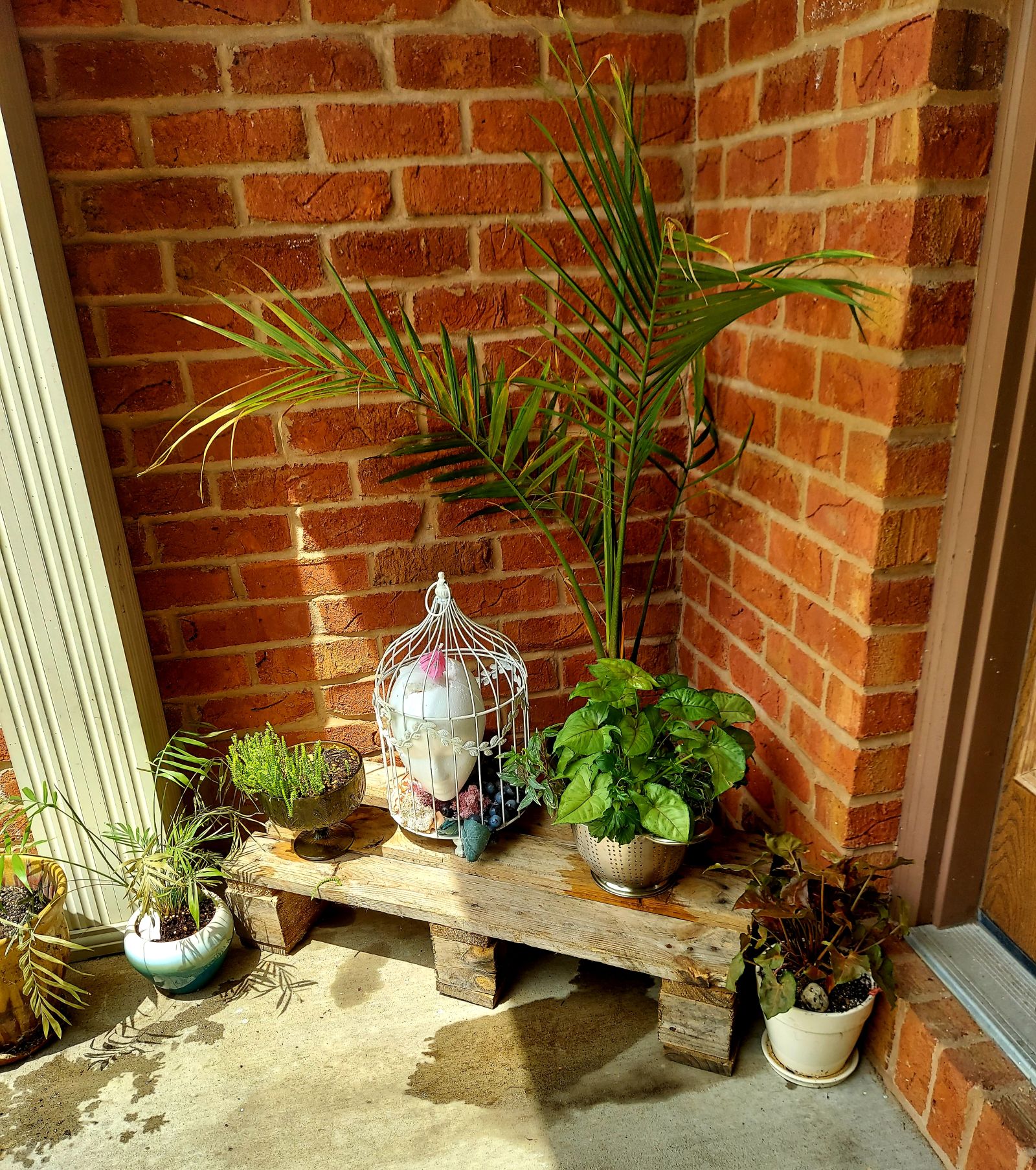
I rescue plants from discount sales (or from dumpsters like the pictured palm tree). I often mention this in my writing bio to show a bit of personality and showcase a hobby that isn’t about writing or editing. As I think about it more, it is evidence of the foundational belief I have about writing. Every writer should have a chance to grow; they need the proper environment and care to bloom into their full potential. Just because the wider world has discounted their work and rejected it time after time, doesn’t mean that all is lost or hopeless. They need someone to believe in them and take the 2-dollar gamble on them. That kind of gamble does not pay off immediately. A discount plant only has a stem or two alive and the blooms have all died and fallen off. A plant in such condition is not going to bounce back in a week after being in the dark with not enough water. Time to heal, gain strength, and grow new stems is needed. And I am no different than any other creative. I need someone to bet on me, and I need to be patient with myself and allow myself the time to grow.
All this adds up to what I’ve said in podcast episodes… I view editing as a way to make rebel writers. Accidentally breaking a rule doesn’t count as being a rebel. You have to make the choice consciously. My job is to present the writer with a choice. Whatever they decide stands, and if they choose to break the rule and go against my advice, I smile and whisper, “You rebel.”
Continuous Gathering
My best advice for writing: Find your voice and protect it from editors, reviewers, and naysayers. Remind yourself that it’s your life preserver in a sea of rejections and discouragement. How do you find your voice? Read good and bad writing, and pick elements from each that you will use (or not use) for your own writing. I read a vampire story that started almost every sentence with “It was” thus my dislike of the expletive sentence structure was born.
Learning about voice can come from anywhere; how-to-write books, studying the rules, reading about rhetoric and how to use it for certain effects, movies, youtube videos, listening to other people talk, your own culture. Finding a writing voice is called “finding” because it is a process of gathering those small things that make it uniquely yours. Always be gathering and be patient. It’s a process, not a light bulb flicking on.
So, to the writers still searching for their guideposts, and to the younger version of myself still filling up pages: keep gathering your bones.
Love,
Me
P.S. The Metaworker is a great place to submit your work or to get involved either as a volunteer or in our Discord community. My journey shows the potential of both submitting and volunteering with this magazine. We’ve grown and changed since I first started, but the welcoming atmosphere and love of writing have remained the same.
Don’t miss a single chapter of our 10th-year staff series. Sign up for our newsletter to receive Melissa’s interviews, staff updates, and the latest from our Discord community delivered directly to your email.
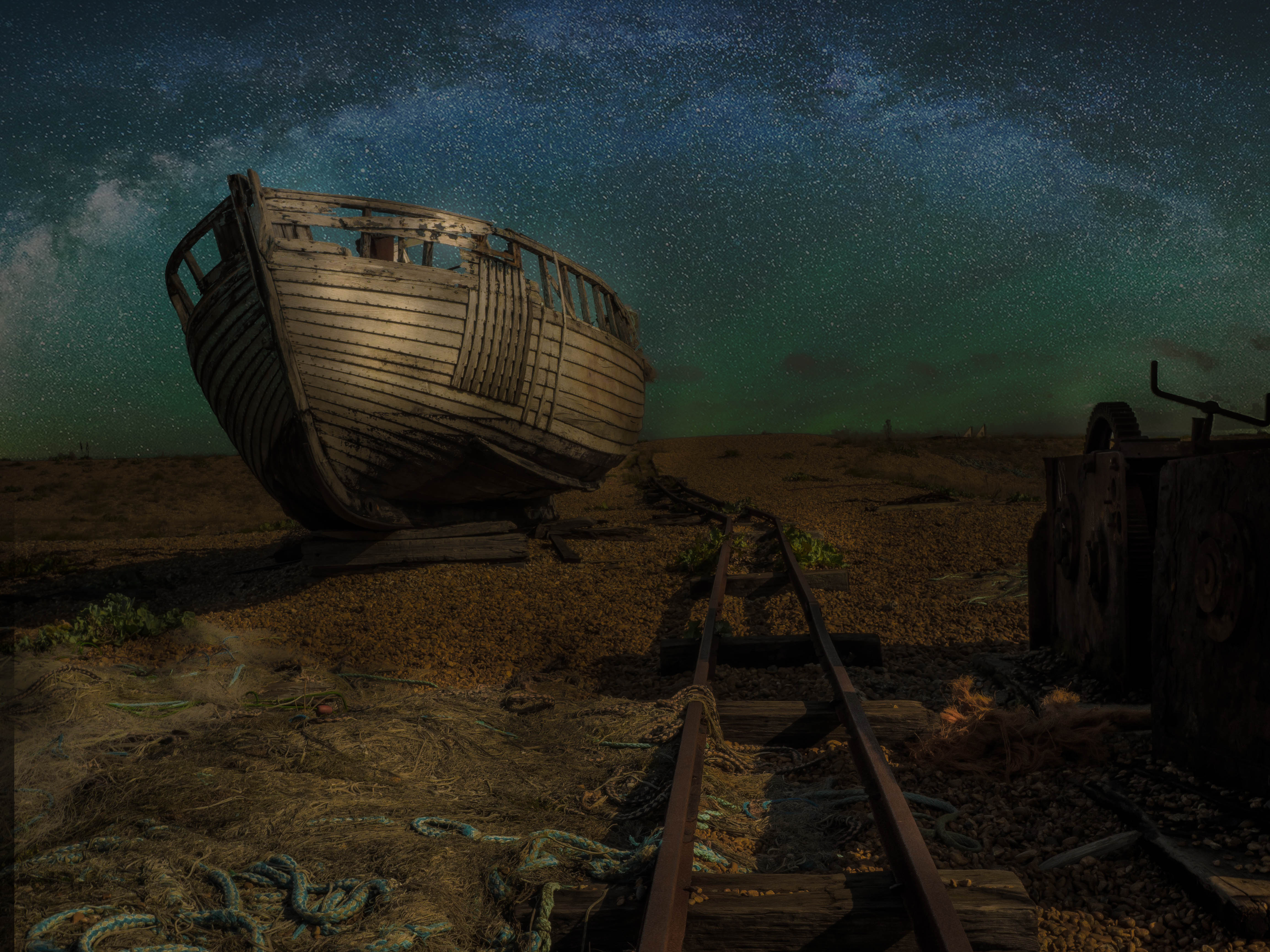
All images by Melissa Reynolds
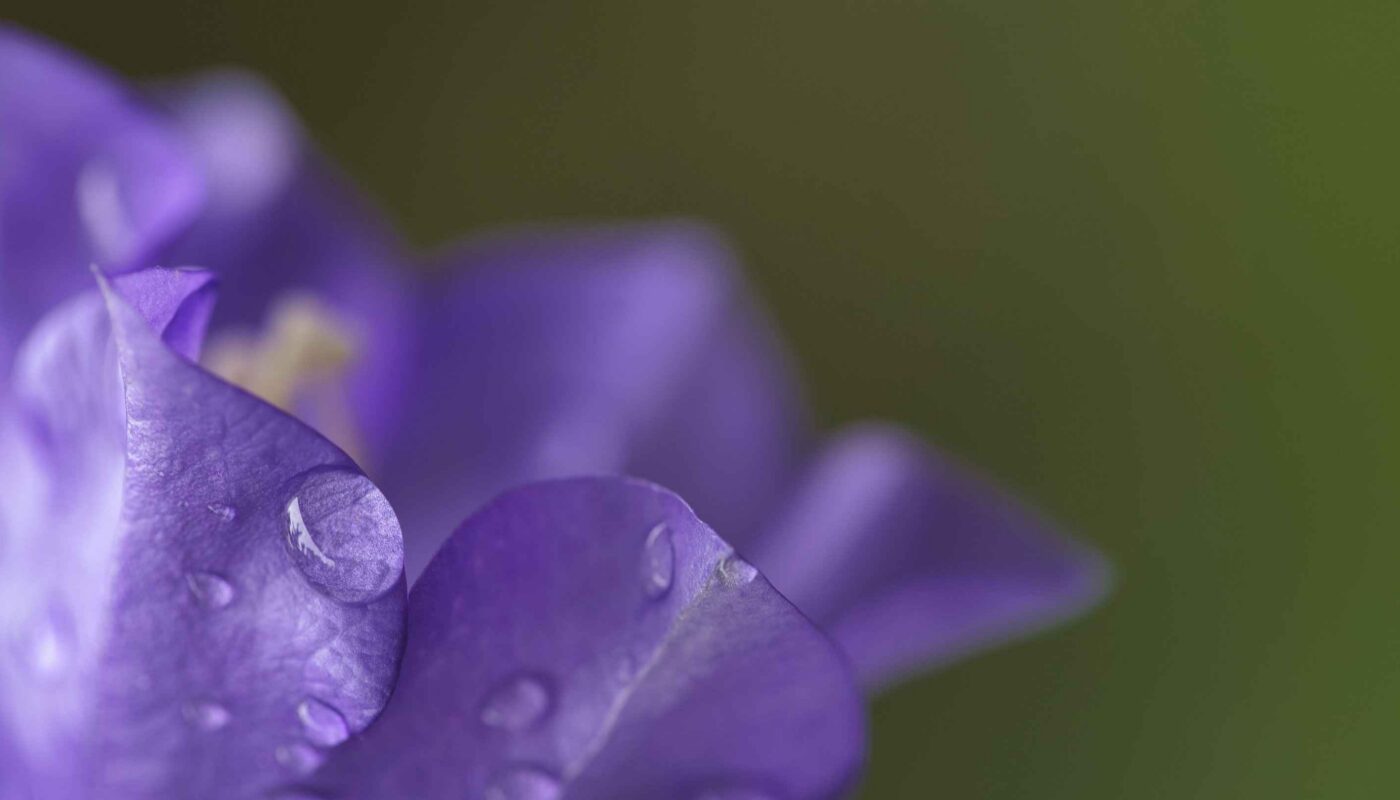
Cover Image Credit